A Guide to Responsibly Integrating Generative AI in Your Workflow
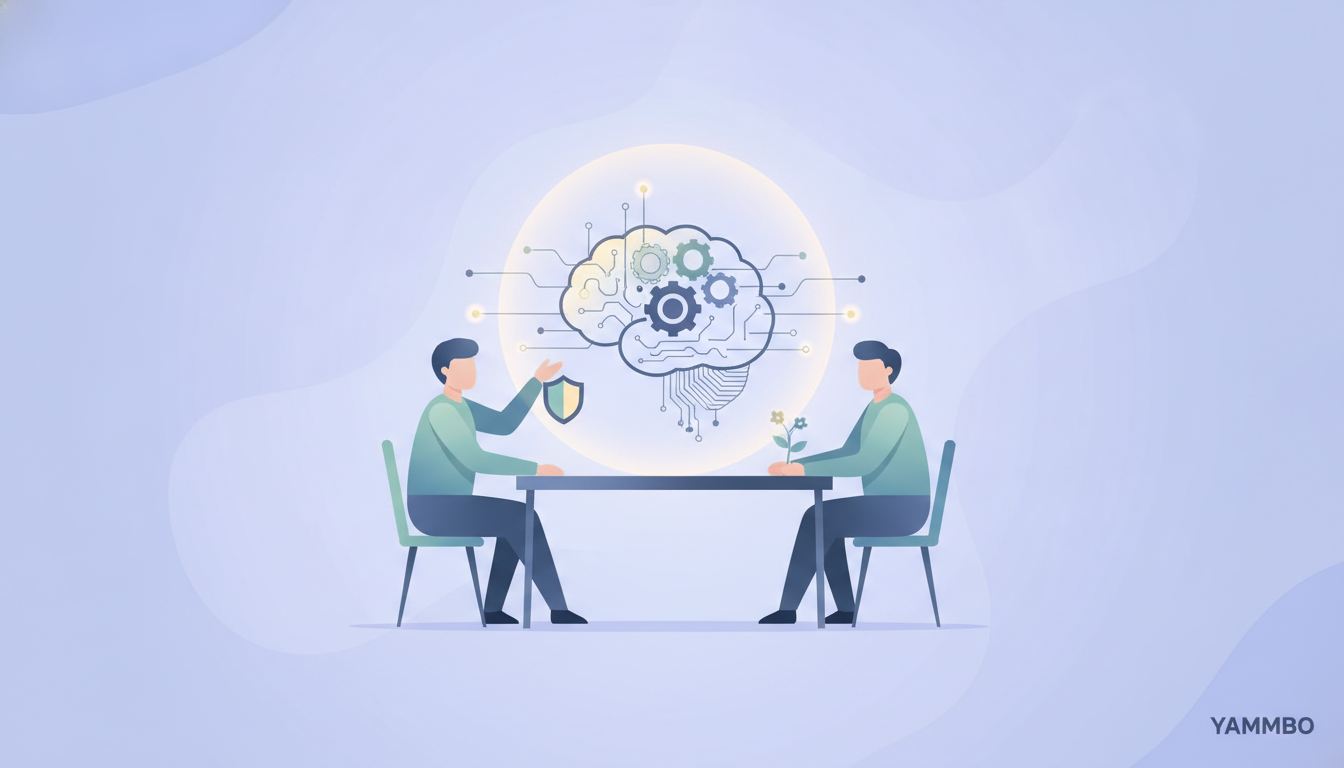
Generative AI tools are rapidly transforming how we approach development, documentation, and content creation. While they offer unprecedented boosts in productivity and innovation, their integration into collaborative projects, especially in open-source environments, demands a thoughtful and responsible approach. This tutorial provides a practical framework for leveraging generative AI effectively while adhering to critical standards of quality, ethics, and human accountability.
Step 1: Understand the Core Principles of AI-Assisted Work
Before integrating any AI tool into your workflow, it's crucial to establish a foundational understanding of the principles that govern its responsible use. Generative AI should be seen as an assistant, not an autonomous creator. This means that all AI-assisted contributions must meet the exact same quality, correctness, and legal standards as any human-only contribution. There are no exemptions for AI-generated content.
Quality Standards: AI-generated code or text must be functional, efficient, well-structured, and maintainable. For documentation, it needs to be clear, accurate, and comprehensive. This often requires significant human refinement, as AI models can sometimes produce verbose, repetitive, or sub-optimal output.
Correctness Standards: Factual accuracy is paramount. AI models can "hallucinate" or generate plausible-sounding but incorrect information. Every piece of data, every line of code, and every assertion made must be verifiable and factually sound. This includes ensuring that code adheres to project-specific coding styles and conventions.
Legal Standards: This encompasses copyright, licensing, and intellectual property. When using AI, you must ensure that the generated output does not infringe on existing copyrights or violate the licensing terms of the project you are contributing to. Understanding the provenance of the AI's training data can be complex, making human review essential to mitigate legal risks. For example, if you're contributing to a project under the GNU General Public License (GPL), any AI-generated code you submit must also comply with that license.
By internalizing these core principles, you set the stage for a workflow where AI enhances, rather than compromises, the integrity of your work.
Step 2: Maintain Human Oversight and Verification
The most critical aspect of responsible AI integration is unwavering human oversight. Generative AI tools are powerful, but they are not infallible. Their outputs require thorough review, testing, and, where needed, modification before submission. The ultimate responsibility for any contribution, regardless of its origin, lies entirely with the human contributor.
Implementing Effective Human Oversight:
- Thorough Review: Treat AI-generated output as a draft. Read every sentence, analyze every line of code, and scrutinize every suggestion. Look for logical errors, factual inaccuracies, stylistic inconsistencies, and potential biases. Compare the output against your understanding of the problem and the project's requirements.
- Rigorous Testing: If the AI generates code, it must be subjected to the same comprehensive testing procedures as human-written code. This includes unit tests, integration tests, and manual verification. Do not assume AI-generated code is bug-free; it often introduces subtle errors that only emerge during testing.
- Contextual Modification: AI models generate text or code based on patterns learned from vast datasets. They may not fully grasp the specific nuances, architectural constraints, or existing codebase conventions of your project. Be prepared to modify, refactor, or even completely rewrite significant portions of the AI's output to ensure it fits seamlessly into the existing context. This often involves adjusting variable names, improving algorithm efficiency, or aligning with specific design patterns.
- Understanding Limitations: Recognize that AI has limitations. It cannot understand intent or subjective quality in the same way a human can. It lacks common sense and ethical reasoning. Rely on your expertise to identify situations where AI output is inappropriate, inefficient, or potentially harmful.
Verification is not merely a formality; it's a critical safety net that ensures the quality and reliability of your contributions. Without it, you risk introducing errors, vulnerabilities, or inconsistencies that can undermine the project.
Step 3: Safeguard Confidentiality and Security
When using third-party generative AI services, it is absolutely paramount to exercise extreme caution regarding confidential or security-sensitive information. Many public AI models operate by sending your input (prompts) to their servers for processing. This means any data you provide could potentially be stored, analyzed, or even used to train future iterations of the model.
Best Practices for Data Security:
- Never Share Sensitive Data: Explicitly avoid inputting any proprietary code, unreleased product details, customer data, personal identifiable information (PII), API keys, passwords, or any other confidential information into a public generative AI service.
- Anonymize and Generalize: If you need AI assistance for a problem related to sensitive data, first abstract or anonymize the data. For example, instead of providing actual customer records, describe the *structure* of the data or a generalized version of the problem without revealing specific details.
- Review Service Terms: Before using any AI service, carefully read its terms of service and privacy policy. Understand how your data is handled, whether it's stored, and if it's used for model training. Opt for services that offer strong data privacy guarantees or enterprise-grade solutions with dedicated instances if available and necessary.
- Consider Local or Private Models: For highly sensitive projects, explore using AI models that can be run locally on your own infrastructure or within a secure, private cloud environment. This gives you full control over your data and ensures it never leaves your trusted perimeter.
- Avoid Security-Critical Tasks: Do not rely on generative AI for tasks directly related to security vulnerabilities, cryptographic implementations, or sensitive system configurations without exhaustive, independent human verification and expert review. The potential for subtle errors or insecure suggestions is too high.
Protecting sensitive information is not just about compliance; it's about maintaining trust, preventing data breaches, and safeguarding intellectual property.
Step 4: Plan for Large-Scale AI-Assisted Changes
While generative AI can assist with individual tasks, applying it to large-scale automated changes within a project requires a different level of planning and community engagement. Unilateral, massive AI-generated modifications can disrupt workflows, introduce unforeseen complexities, and alienate fellow contributors.
Strategies for Large-Scale AI Integration:
- Initiate Community Discussion: Before undertaking any significant AI-driven refactoring, code generation, or documentation overhaul, open a discussion with the project's maintainers and community. Clearly articulate your proposal, the tools you intend to use, the expected benefits, and potential risks. This allows for feedback, consensus-building, and helps avoid surprises.
- Define Scope and Phasing: Break down large changes into smaller, manageable phases. Instead of one massive pull request, propose a series of smaller, logically grouped changes. This makes review easier and reduces the risk of introducing widespread issues.
- Establish Human Oversight for Automation: Even if the AI tool can automate a task across many files, a human must still oversee the entire process. This includes reviewing the AI's output for a representative sample, defining clear rules for automation, and having mechanisms to revert or correct errors efficiently. For instance, if using AI to generate boilerplate code, ensure that a human reviews the generated patterns and validates their correctness before applying them broadly.
- Version Control and Attribution: Ensure that all changes, whether AI-assisted or not, are properly committed to version control. Clearly attribute the changes and, if appropriate, note the use of AI tools in commit messages or documentation. This maintains a clear history and accountability.
- Rollback Strategy: Always have a clear plan for rolling back changes if unforeseen issues arise. This is especially crucial for large-scale automated modifications where errors might propagate quickly.
Thoughtful planning and transparent communication are key to successfully integrating AI for large-scale project improvements without causing disruption or friction within the community.
Step 5: Document and Disclose AI Tool Usage
Transparency about the use of generative AI tools in your contributions fosters trust and provides valuable context for collaborators and maintainers. While disclosure might not always be mandatory, it is strongly encouraged as a best practice, especially in collaborative and open-source environments.
Why Disclosure Matters:
- Builds Trust: Openly stating that AI tools were used demonstrates honesty and transparency, strengthening trust within the project community.
- Aids Review: Knowing that a contribution was AI-assisted can prompt reviewers to pay closer attention to specific aspects, such as potential hallucinations, stylistic inconsistencies, or adherence to project-specific nuances that AI might miss.
- Facilitates Debugging: If an issue arises from an AI-generated section, knowing its origin can help in debugging and understanding the root cause more quickly.
- Sets Expectations: It helps set realistic expectations about the nature of the contribution and the level of human review applied.
- Contributes to Best Practices: By disclosing, you contribute to a culture of responsible AI usage and help establish community norms around these new tools.
Methods of Disclosure:
- Commit Messages: Include a clear note in your Git commit messages, for example:
feat: Add new user authentication module (AI-assisted)ordocs: Update README with installation steps (AI-generated draft, human-edited). - Code Comments: For specific code blocks generated or heavily influenced by AI, add comments within the code itself, such as:
// This function was initially generated by AI, human-reviewed and modified for project standards. - Pull Request Descriptions: In the description of your pull request or merge request, explicitly mention where and how AI tools were utilized.
- Documentation: For larger, project-wide AI initiatives, consider adding a section to the project's contributing guidelines or README explaining the project's stance and best practices for AI-assisted contributions.
By openly documenting and disclosing your use of AI, you contribute to a more informed, collaborative, and ultimately more robust development process for everyone involved.
Embracing generative AI tools in your workflow can unlock significant efficiencies, but it requires a disciplined approach centered on human responsibility, rigorous verification, and transparent communication. By following these guidelines, you can harness the power of AI while upholding the highest standards of quality and integrity in your projects. If you're looking to build a powerful online presence with intelligent tools, explore what's possible with Yammbo Web.