AI Music and Copyright: The Unfolding Legal Battle for Creators
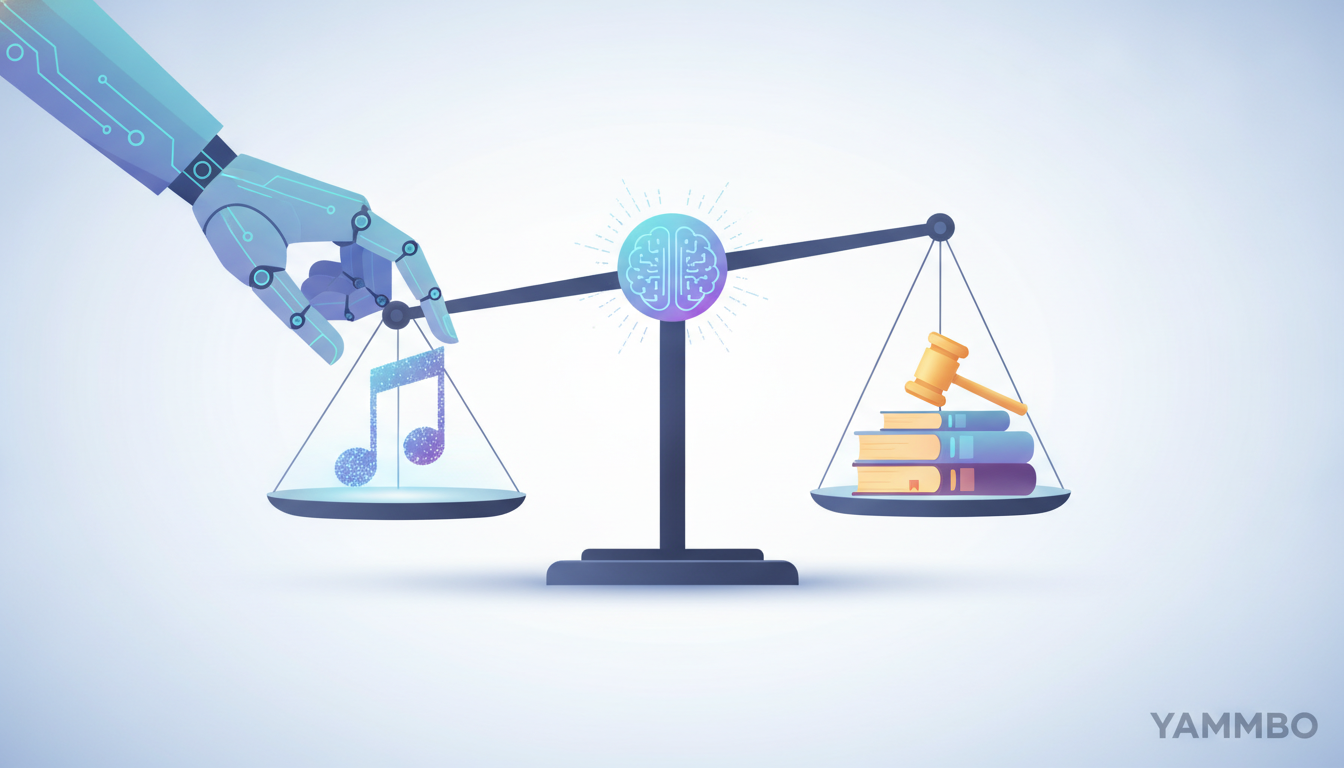
The rise of artificial intelligence in music creation has opened up a new frontier for artists, producers, and listeners alike. From generating unique soundscapes to assisting with composition, AI tools are rapidly transforming how music is made and consumed. This technological revolution, however, is not without its complexities, particularly when it intersects with established intellectual property laws. As AI models learn by ingesting vast amounts of existing data, including copyrighted musical works, fundamental questions arise about ownership, fair use, and compensation. The music industry, always at the forefront of copyright battles, now faces a pivotal moment, grappling with how to foster innovation while protecting the rights of creators. This evolving landscape presents a fascinating "conundrum," as some AI music entities find themselves navigating a dual path: pursuing licensing agreements with certain industry players while simultaneously defending against copyright infringement lawsuits from others. Understanding this intricate legal dance is crucial for anyone involved in the modern music ecosystem.
The Promise and Peril of AI in Music Creation
AI's potential to democratize music creation and unlock new forms of artistic expression is immense. Imagine tools that can help composers break through creative blocks, generate variations on a theme, or even produce entire backing tracks in seconds. For independent artists, this can mean unprecedented access to high-quality production resources, enabling them to bring their visions to life without traditional barriers. Yammbo Music, for instance, empowers artists to share their creations with a global audience, and the integration of AI tools can further enhance their creative process. However, the very mechanism that makes AI so powerful—its ability to learn from existing data—is also the source of significant legal contention. To develop sophisticated musical AI, models are often trained on extensive libraries of copyrighted songs, instrumentals, and vocal performances. This "ingestion" of data without explicit permission or compensation is at the heart of the current legal disputes, raising questions about whether such training constitutes fair use or infringement. The industry seeks a balance where technological advancement can flourish without undermining the livelihoods of the artists whose work fuels these innovations.
Decoding Fair Use: A Cornerstone of Copyright Law
At the core of many of these legal debates is the doctrine of fair use, a principle embedded in copyright law that permits the limited use of copyrighted material without acquiring permission from the rights holders. Fair use is designed to balance the interests of creators with the public good, allowing for uses such as criticism, commentary, news reporting, teaching, scholarship, or research. Deciding whether a particular use is "fair" involves a case-by-case analysis, typically considering four key factors:
- The purpose and character of the use: Is it for commercial or non-profit educational purposes? Is the new work transformative, adding new expression, meaning, or message to the original?
- The nature of the copyrighted work: Is the original work factual or creative? Creative works generally receive stronger protection.
- The amount and substantiality of the portion used: How much of the copyrighted work was used, and was it the "heart" of the work?
- The effect of the use upon the potential market for or value of the copyrighted work: This factor examines whether the new use harms the market for the original work or for potential licensing opportunities.
It is this fourth factor, "market impact," that often becomes a central point of contention in AI music cases. Rights holders argue that the training of AI models on their copyrighted music, especially if it leads to the generation of new music that competes with their catalogs, directly impacts their potential market and licensing revenues. Conversely, AI developers often argue that the training process itself is transformative and does not directly compete with the original works in the traditional sense. For a deeper understanding of fair use, you can refer to resources like the U.S. Copyright Office's Fair Use Index.
The Licensing Labyrinth: A Dual Strategy Emerges
The legal landscape for AI music is further complicated by the emergence of a dual strategy from some AI music developers. While some prominent rights holders are engaged in fierce litigation, asserting that AI models trained on their unlicensed music constitute infringement, other significant players in the music industry are opting for a different approach: striking licensing deals. These agreements typically involve AI companies paying for the right to use copyrighted music to train their models, thereby ensuring a legal and compensated pathway for data acquisition. This simultaneous pursuit of both legal defense (arguing fair use in court) and proactive licensing (paying for data) creates a unique "conundrum." On one hand, an AI company might argue in court that it doesn't need to pay for training data under fair use principles. On the other, the very act of signing licensing deals with other major music companies directly demonstrates that a market for such licenses does exist and that there are viable options for acquiring copyrighted works for training. This dichotomy provides powerful ammunition for rights holders involved in litigation, who can point to these licensing agreements as concrete evidence of market impact and the feasibility of a compensated model.
The "Circular Argument" and Its Implications
Despite the apparent strength of using licensing deals as evidence of market impact, this argument is not without its counterpoints. Some legal experts and courts have expressed reservations about what is sometimes referred to as the "circular argument." This perspective suggests that if the mere existence of a licensing market for a particular use (like AI training data) is taken as definitive proof of market harm, it could create a problematic precedent. In essence, copyright holders could simply create a licensing market by offering licenses, and then use the refusal of others to pay for those licenses as grounds for an infringement lawsuit. This could potentially stifle innovation by making it impossible for new technologies to emerge without first securing costly and potentially non-existent licenses. Some judicial rulings have indeed sided with this view, noting that such an argument could unfairly penalize those who seek to innovate without necessarily undermining the established market for the original work. This intricate legal back-and-forth highlights the novel challenges AI presents to traditional copyright frameworks, forcing courts to re-evaluate long-standing principles in a new technological context.
What This Means for Artists and Creators
For individual artists and creators, these legal battles might seem distant, yet their outcomes will profoundly shape the future of music creation and compensation. As the lines blur between human and AI-generated content, understanding one's rights and the evolving legal landscape becomes paramount. Artists need to consider how their work is protected, how it might be used to train AI models, and what potential new revenue streams could emerge from licensing their catalogs for AI development. Platforms like Yammbo Music are committed to empowering artists, providing tools and opportunities for them to share their unique voices. As the industry moves towards clearer guidelines, artists will need to be proactive in managing their intellectual property, whether through explicit consent for AI training or by ensuring their work is protected from unauthorized use. The goal is to ensure that AI serves as a powerful creative partner, not a threat to artistic integrity or economic viability.
Charting the Future: AI Music and Ethical Innovation
The ongoing legal disputes and the emergence of licensing models signify a critical turning point for the music industry. The path forward will likely involve a combination of new legislation, landmark court rulings, and industry-wide standards that define the ethical and legal boundaries of AI music generation. The aim is to strike a delicate balance: fostering the incredible innovation that AI offers while rigorously upholding the rights of creators whose work forms the foundation of all music. As these frameworks develop, transparency in how AI models are trained and how generated content is attributed will become increasingly important. Ultimately, the goal is to cultivate an environment where AI can enhance human creativity, open new avenues for artists, and enrich the musical landscape for everyone, ensuring that the future of music is both innovative and equitable.
The legal journey of AI music is still unfolding, marked by complex questions of fair use, market impact, and the value of creative works in the digital age. As the industry navigates these challenging waters, the outcomes will undoubtedly shape how music is created, distributed, and monetized for decades to come. For artists and listeners alike, staying informed about these developments is key. Explore the possibilities of sharing your music with the world and discovering new sounds on Yammbo Music, a platform designed to celebrate and support creators.