The Art of the Ask: Balancing Guest Requests and Culinary Vision in Restaurants
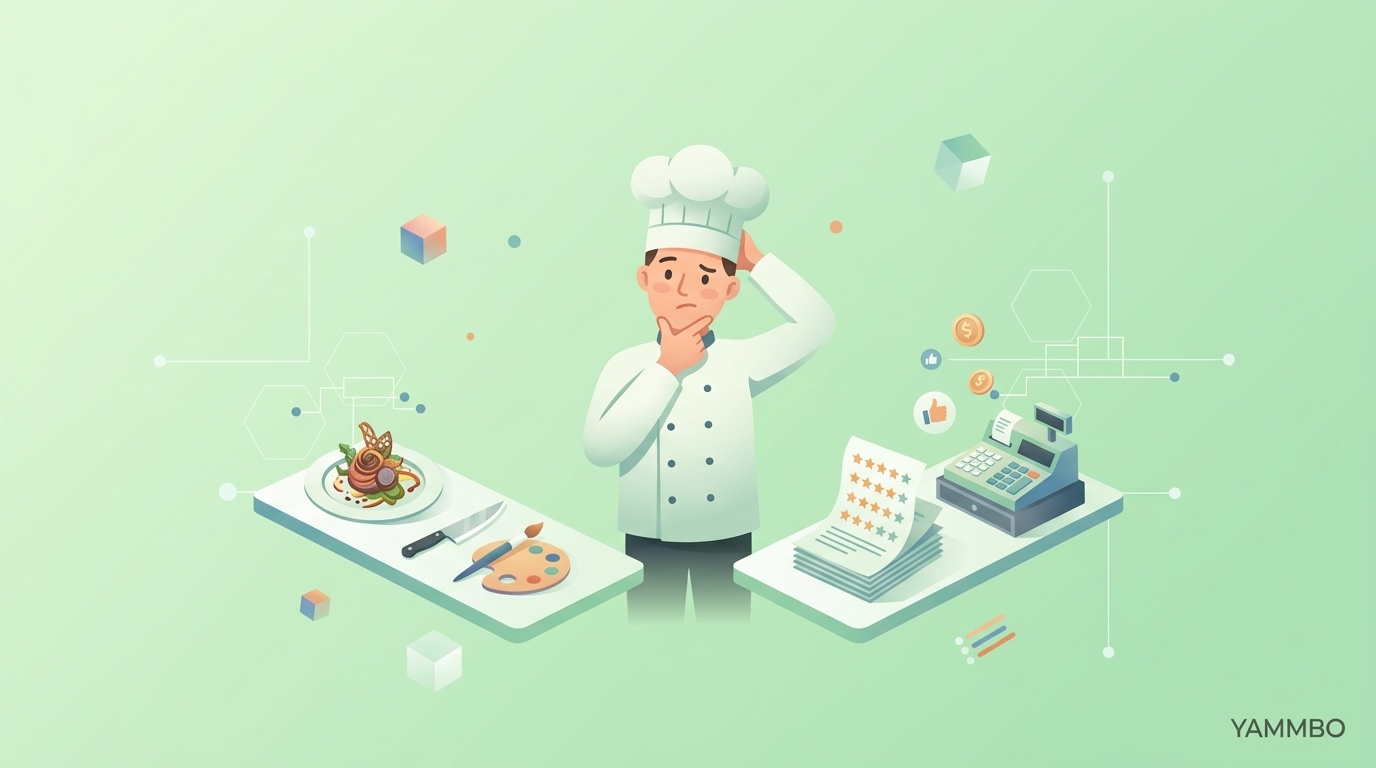
The modern restaurant landscape is a vibrant tapestry of culinary innovation and evolving guest expectations. Diners today are more informed, adventurous, and, often, more particular than ever before. While this engagement can be a boon for chefs pushing creative boundaries, it also presents a persistent challenge: the rise of substitution culture. How do restaurants balance the desire to accommodate every guest with the imperative to maintain their culinary vision and operational efficiency? It’s a delicate dance between hospitality and authenticity, a question that every establishment, from the cozy neighborhood bistro to the Michelin-recognized fine dining spot, must grapple with.
The Shifting Sands of Guest Expectations
For decades, the unspoken rule in many dining establishments was simple: the menu is the menu. Modifications were rare, usually reserved for severe allergies, and often came with a subtle air of inconvenience. Today, that paradigm has shifted dramatically. The proliferation of highly customizable quick-service eateries has accustomed diners to an assembly-line approach, where every component of a dish can be swapped, added, or removed. This expectation has seeped into all levels of dining. Coupled with the omnipresent influence of social media, where a single negative review about an unfulfilled request can go viral, restaurants find themselves under immense pressure to say ‘yes’ to every ask. The ‘customer is always right’ mantra, while foundational to good service, can, at its extreme, lead to a dilution of a restaurant’s unique identity and a strain on its resources.Preserving Culinary Integrity in a World of Choices
For many chefs and restaurateurs, their menu is more than just a list of dishes; it’s a narrative, a cultural expression, and the culmination of years of expertise and passion. Consider the journey of a chef who opens a restaurant with the specific goal of showcasing regional Thai cuisine in a new light, moving beyond common interpretations to introduce authentic flavors like fermented tea leaves or whole, deep-fried fish prepared in a traditional fish-sauce caramel. When guests repeatedly request the removal of fundamental ingredients like fish sauce or shrimp paste, it strikes at the very heart of the chef’s intention. These aren’t just components; they are the ‘fabric that defines our cuisine,’ as one chef eloquently put it. Removing them doesn’t just alter a dish; it fundamentally changes its character, potentially misrepresenting the culinary tradition it aims to celebrate. The challenge lies in educating guests about the integrity of a dish without alienating them, finding a way to honor tradition while still offering a welcoming experience.The Operational Toll of Constant Customization
Beyond the philosophical debate of authenticity, frequent substitution requests impose significant operational burdens. In a busy kitchen, every deviation from a standard recipe introduces friction. Small teams, often working in compact spaces, struggle to keep up with bespoke orders. This leads to:- Slower Service: Each special request requires extra communication, different prep, and individual plating, extending ticket times and potentially frustrating other diners.
- Increased Complexity: Managing a myriad of modifications complicates inventory, increases the likelihood of errors, and demands more cognitive load from kitchen staff.
- Higher Food Waste: Ingredients prepared for a standard dish may go unused if a substitution is made last minute, leading to unnecessary waste and cost.
- Inconsistent Quality: When staff are constantly adapting, it’s harder to maintain the consistent quality and presentation that defines a restaurant’s reputation.
- Staff Burnout: The relentless pressure to accommodate every request, often without adequate tools or processes, can lead to stress and burnout among both front-of-house and back-of-house teams.
Strategies for Setting Expectations and Maintaining Standards
Faced with these challenges, many forward-thinking restaurants are adopting clear, proactive strategies to manage substitution requests while still delivering exceptional service. This isn’t about being inflexible; it’s about being intentional and transparent.One common approach is to implement a limited substitution policy, clearly communicated on menus, websites, and even social media. This might involve stating that certain core ingredients essential to the dish’s identity cannot be removed, while offering acceptable modifications or alternative dishes that cater to common dietary needs. For instance, a restaurant might proudly announce that all its authentic regional dishes contain fish sauce, but also ensure there’s a delicious, clearly marked vegan option available on the menu.
Another strategy involves educating guests. When a diner understands why a certain ingredient is crucial to a dish, they are often more receptive to the policy. This requires confident and knowledgeable front-of-house staff who can articulate the restaurant’s culinary philosophy and guide guests towards suitable choices rather than simply denying a request. Restaurants are finding success by:
- Clear Menu Language: Explicitly detailing ingredients and noting where substitutions are not possible.
- Proactive Communication: Using online platforms to set expectations before guests even arrive.
- Empowering Staff: Training servers to confidently explain menu integrity and suggest alternatives.
- Thoughtful Menu Design: Including naturally vegan, gluten-free, or allergen-friendly dishes to provide options without modification.
Empowering Your Restaurant with Yammbo POS
Navigating the complexities of guest requests and culinary integrity doesn’t have to be a constant battle. A robust, intelligent point-of-sale system like Yammbo POS can be your most valuable ally in managing these dynamics effectively, allowing you to focus on what you do best: creating incredible dining experiences.Yammbo POS provides the tools necessary to streamline operations, enforce policies, and enhance communication, ensuring that your kitchen runs smoothly while your guests feel heard and valued. Here’s how it helps:
- Precision Menu Management: Design your menu within Yammbo POS with unparalleled precision. Clearly define dishes, list ingredients, and set specific modification rules. You can create acceptable modifiers for common requests (e.g., ‘no onions,’ ‘sauce on the side’) while restricting changes that compromise a dish’s integrity. This means your staff can quickly and accurately process orders, knowing exactly what is permissible.
- Integrated Allergy and Dietary Tagging: Effortlessly tag dishes with common allergens (nuts, dairy, gluten, shellfish) and dietary classifications (vegan, vegetarian). This empowers your front-of-house team to confidently answer guest questions and recommend suitable options without needing to consult the kitchen for every query, reducing potential errors and speeding up service.
- Seamless Kitchen Communication: All orders, including approved modifications, are instantly and accurately transmitted to the kitchen display system (KDS) or printers. This eliminates handwritten errors, ensures clarity for the culinary team, and helps maintain a consistent flow, even during peak hours.
- Consistent Online Ordering Experience: Extend your carefully crafted menu and substitution policies to your online ordering platform, powered by Yammbo POS. Guests browsing your menu from home will see the same clear options and restrictions, setting accurate expectations before they even place an order or step foot in your establishment. This proactive approach minimizes surprises and potential friction upon arrival.
- Data-Driven Menu Optimization: Yammbo POS’s comprehensive reporting and analytics features allow you to track common requests, popular dishes, and frequently noted allergies. This invaluable data can inform future menu development, helping you strategically introduce new dishes that cater to evolving dietary trends without sacrificing your culinary vision.
By leveraging the power of Yammbo POS, you can transform the challenge of substitution culture into an opportunity for greater efficiency, clearer communication, and a more authentic dining experience for everyone.
In the end, running a successful restaurant is about finding harmony between artistic expression and practical hospitality. While the demands for customization continue to grow, modern technology offers powerful solutions. Yammbo POS empowers restaurateurs to define their culinary boundaries with confidence, communicate effectively with both staff and guests, and streamline operations to deliver exceptional, authentic dining experiences. Discover how Yammbo POS can help your restaurant thrive by visiting pos.yammbo.com today.