Decoding Social Media Algorithms: Your Blueprint for Organic Reach
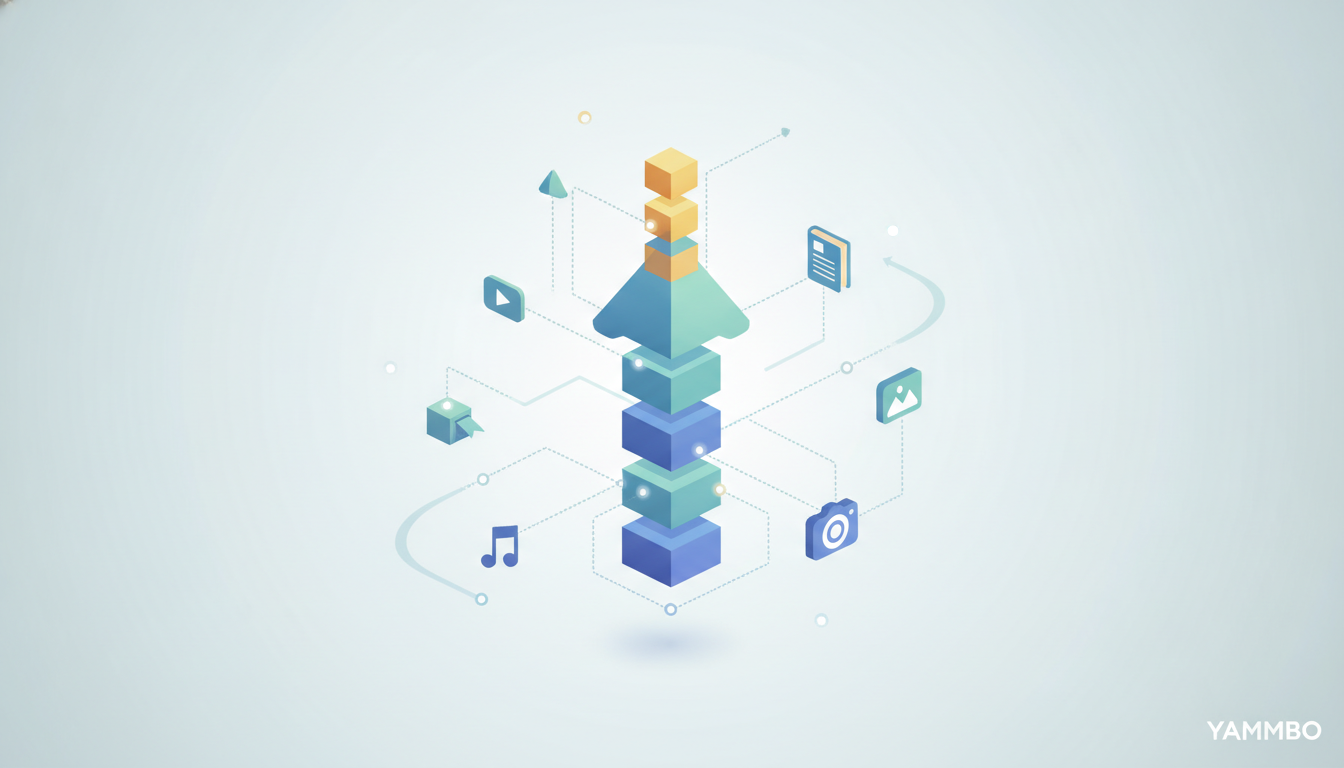
In the ever-evolving landscape of digital communication, social media platforms have become indispensable tools for connection, commerce, and community building. Yet, for many, the path to visibility feels shrouded in mystery. Behind every scroll, every recommended post, and every viral sensation lies a complex, AI-powered system: the social media algorithm. These sophisticated engines are the gatekeepers of content, deciding what reaches our screens and what remains unseen.
Understanding these algorithms isn't just a technical exercise; it's a fundamental requirement for anyone looking to make a meaningful impact online. Whether you're an individual creator, a small business owner, or a large enterprise, mastering the nuances of how content is ranked and distributed is the key to unlocking consistent organic reach and ensuring your message resonates with the right audience.
What Are Social Media Algorithms, Really?
At its core, a social media algorithm is a set of rules, ranking signals, and calculations designed to personalize each user's feed. Think of it as a highly intelligent curator, sifting through an unimaginable volume of content to present what it believes will be most valuable and engaging to you at any given moment. These algorithms leverage advanced machine learning to constantly adapt and refine their predictions, meaning no two users will ever experience the exact same feed. The content you see is a unique reflection of your past interactions, preferences, and behaviors.
Every major social platform employs its own distinct algorithm, each weighing various signals differently. While the specifics are proprietary and constantly updated, the overarching goal remains consistent: to maximize user engagement and time spent on the platform. This personalization means that for content creators, a "one-size-fits-all" approach simply won't yield optimal results. Success hinges on a deep understanding of the specific environment you're operating within and tailoring your strategy accordingly.
How Algorithms Work: The Behind-the-Scenes Process
The operation of social media algorithms can be distilled into a general workflow that, while varying in detail, applies across most platforms. When you open a social app, the algorithm springs into action, performing a series of rapid calculations to populate your feed. First, it gathers a vast pool of eligible content – posts from accounts you follow, relevant topics, or popular trends. This initial pool is then filtered to remove anything that violates community guidelines or is deemed inappropriate.
Next, each piece of eligible content is scored against a multitude of ranking signals. These signals are essentially data points that help the algorithm predict how likely you are to engage with a particular post. Factors considered include your past interactions with the content creator, the format of the post (e.g., video, image, text), and how other users similar to you have responded to it. For instance, a video you're likely to watch for an extended period might be prioritized over a static image you'd quickly scroll past. Finally, based on these scores and predictions, the algorithm orders the content, presenting it to you from most to least relevant, all within milliseconds. This continuous, dynamic process ensures that your feed is always fresh and tailored to your evolving interests, moving beyond simply showing "what's newest" to delivering "what's most engaging for you right now."
Why Algorithm Mastery is Essential for Your Online Presence
For anyone striving to build an online presence, whether it's for personal branding, a growing business, or a community initiative, understanding social media algorithms is non-negotiable. They are the invisible hand that determines your content's organic reach, acting as the primary conduit between your creations and your intended audience. Without a strategic approach informed by algorithm insights, even the most compelling content can languish unseen.
Here’s why algorithms hold such sway:
- Reach is Earned, Not Guaranteed: Simply publishing content doesn't guarantee distribution. Algorithms dictate who sees your posts, how often, and in what order. Your content must earn its place in users' feeds by aligning with the platform's ranking signals.
- Relevance Trumps Volume: Pushing out more content won't necessarily increase your visibility if it fails to capture attention. Algorithms prioritize quality and relevance, meaning a few highly engaging posts will outperform a flood of mediocre ones.
- Every Platform is a Different Game: What thrives on one platform might underperform on another. Each algorithm has its unique preferences for content formats, engagement types, and audience behaviors, necessitating tailored strategies.
- Performance Shifts Are Diagnosable: A sudden drop in organic reach or engagement isn't usually bad luck. It often points to a shift in algorithm priorities or a misalignment in your content strategy. Understanding the signals allows for informed adjustments.
Algorithms also serve a crucial function in filtering content noise. With billions of posts uploaded daily, they prevent users from being overwhelmed, ensuring that the time spent on platforms feels valuable. For content creators, this means your work isn't just competing with direct rivals; it's competing with every piece of content a user might find more interesting in that moment. This underscores the paramount importance of relevance, quality, and strategic optimization.
Key Ranking Signals Across Platforms
While each social media platform maintains its unique algorithmic recipe, several core ranking signals are universally prioritized. Focusing on these common denominators can provide a strong foundation for your overall social media strategy.
- Engagement Rate: This is perhaps the most critical signal. Algorithms closely monitor how users interact with your content. This includes likes, comments, shares, saves, and direct messages. The more genuine engagement a post receives, especially shortly after publishing, the more likely the algorithm is to show it to a wider audience.
- Watch Time/Completion Rate: For video content, how long users watch and whether they complete the video are powerful indicators of value. Longer watch times signal that your content is compelling, prompting algorithms to boost its visibility.
- Relevance: Algorithms strive to match content with user interests. This is determined by factors like keywords used in captions and hashtags, the topics you consistently post about, and how users have interacted with similar content in the past.
- User Behavior & History: Your past interactions with specific accounts, content types, and topics heavily influence what you see. If you frequently engage with a particular creator, the algorithm will prioritize their content in your feed.
- Content Format: Platforms often favor certain formats, especially new or trending ones. For example, short-form video has been heavily promoted across many platforms in recent years. Adapting to and experimenting with preferred formats can significantly impact reach.
- Timeliness: While relevance often trumps recency, timely content can still get a boost, especially for trending topics or breaking news. However, truly evergreen, high-quality content can continue to perform well long after its initial publication.
By consistently producing content that scores high on these signals, you effectively "train" the algorithm to recognize your value, leading to increased organic distribution.
Optimizing Your Content for Algorithm Success
Armed with an understanding of how algorithms function, you can develop a proactive strategy to enhance your content's visibility. Optimization isn't about tricking the system; it's about creating genuinely valuable content that naturally aligns with what algorithms are designed to promote.
Here are actionable steps to optimize your content:
- Know Your Audience Deeply: The more you understand your target audience's interests, pain points, and preferred content types, the better you can create relevant posts that resonate and drive engagement.
- Prioritize Genuine Engagement: Encourage meaningful interactions over passive consumption. Ask questions, respond to comments, and foster a sense of community. Algorithms value authentic conversations.
- Leverage Platform-Specific Features: Utilize hashtags, keywords, trending audio, and new features relevant to each platform. For instance, using relevant keywords in your Yammbo Music profile or Yammbo Store product descriptions can improve discoverability.
- Embrace Diverse Content Formats: Experiment with different types of content – videos, carousels, stories, long-form posts – to see what performs best with your audience on each platform. Adapt to new formats as they emerge.
- Post Consistently and Strategically: Regular posting helps maintain audience interest and signals to algorithms that you're an active creator. Analyze your analytics to determine the best times to post for your specific audience.
- Analyze and Adapt: Regularly review your content performance metrics. Identify what's working and what isn't, then adjust your strategy accordingly. Algorithms are dynamic, so your approach should be too.
Remember, the goal is to create content that users genuinely want to see and engage with. When you consistently deliver value, algorithms become your ally, helping to amplify your message to a broader audience.
Navigating the complex world of social media algorithms can seem daunting, but by focusing on creating high-quality, relevant, and engaging content, you can transform these powerful systems into tools for growth. The future of organic reach lies in understanding these digital gatekeepers and strategically aligning your content with their preferences. As you build your online presence across various platforms, remember the importance of a centralized hub for all your valuable links and content. A single bio link lets you consolidate all your social media profiles, websites, and digital assets into one elegant, shareable page, ensuring your audience can always find and connect with you, no matter where they discover your content.